Every product page names the piece's medium and finish. This page says what those words mean for the pieces we sell, so you can compare two of them properly and choose the one that suits the room. Most close-ups are cut from the studios' own photographs.
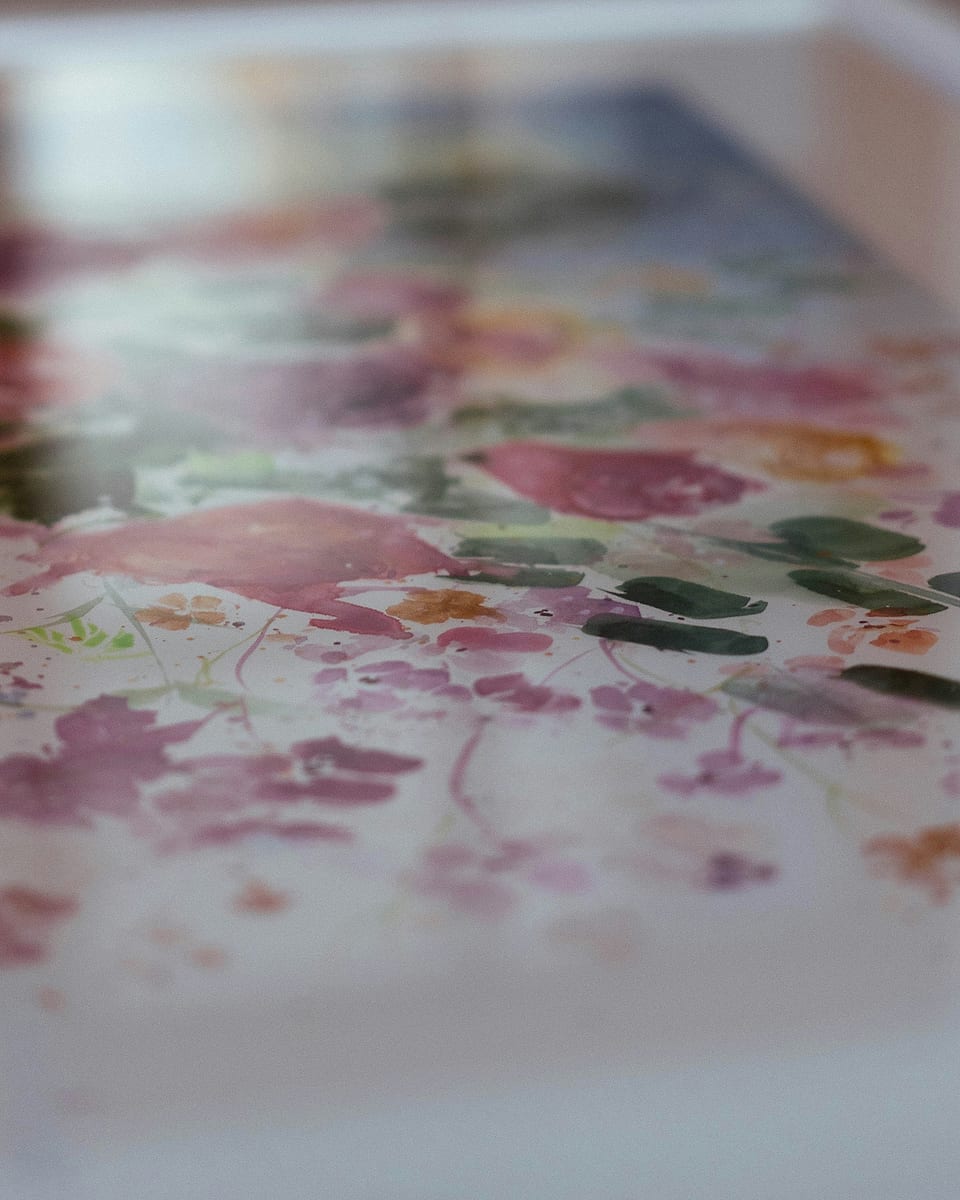
Glass framed print
The print is made on fine-art paper with archival pigment inks and framed behind glass. The glass keeps dust and fingerprints off the paper and gives the piece a crisp, finished look. With a mat, the print sits back from the glass with a clean border around it; without one, the image runs to the frame.
Most of our Burlington studio's pieces come this way, and the Frame row on the product page names the moulding. A few of our Montreal studio's pieces are framed under glass too.
Dust the glass and frame with a dry microfibre cloth. If the glass needs more, spray a little cleaner on the cloth, never on the glass.
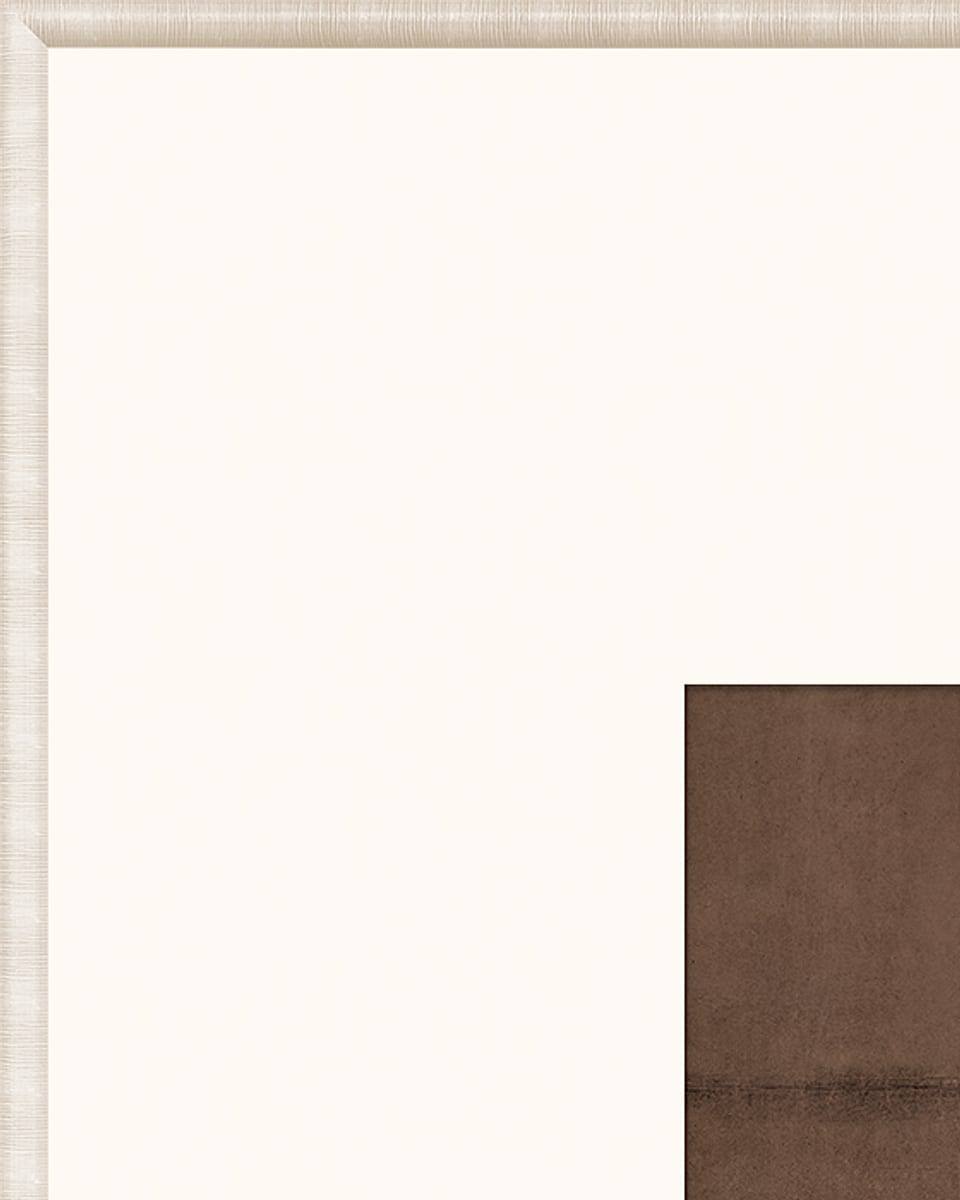
Photograph prints and matting
A photograph is printed with archival pigment inks, so the tones hold for decades indoors. The product page says whether it is framed under glass or printed on canvas, and some pieces offer a choice of Matted or No Matte.
A mat is a plain border cut around the print. It sets the picture back from the glass, gives it room, and lets a small image read as a larger piece on the wall. Without a mat, the print fills the frame edge to edge.
Care is the same as for any piece under glass: a dry microfibre cloth, and out of direct sun.
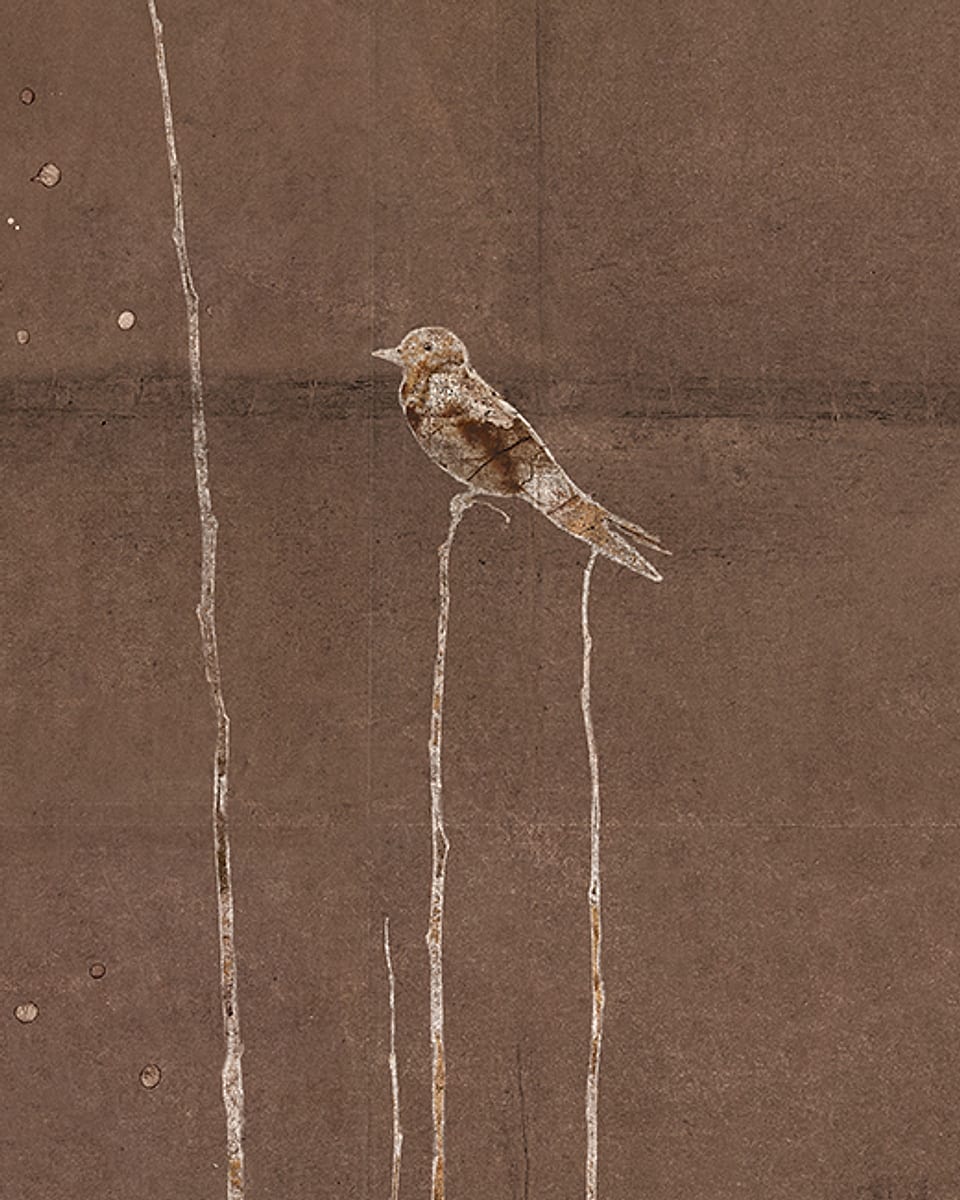
Giclée print
A giclée (say "zhee-clay") is a print made with archival pigment inks rather than dye inks. The pigment sits on the surface of the paper or canvas instead of soaking in, which is why the colour holds for decades indoors and the blacks stay deep.
It is the medium behind nearly all of our Burlington studio's made-to-order pieces, whether they are finished on paper under glass or on canvas.
Keep a giclée out of direct sun and away from bathrooms and other damp rooms.
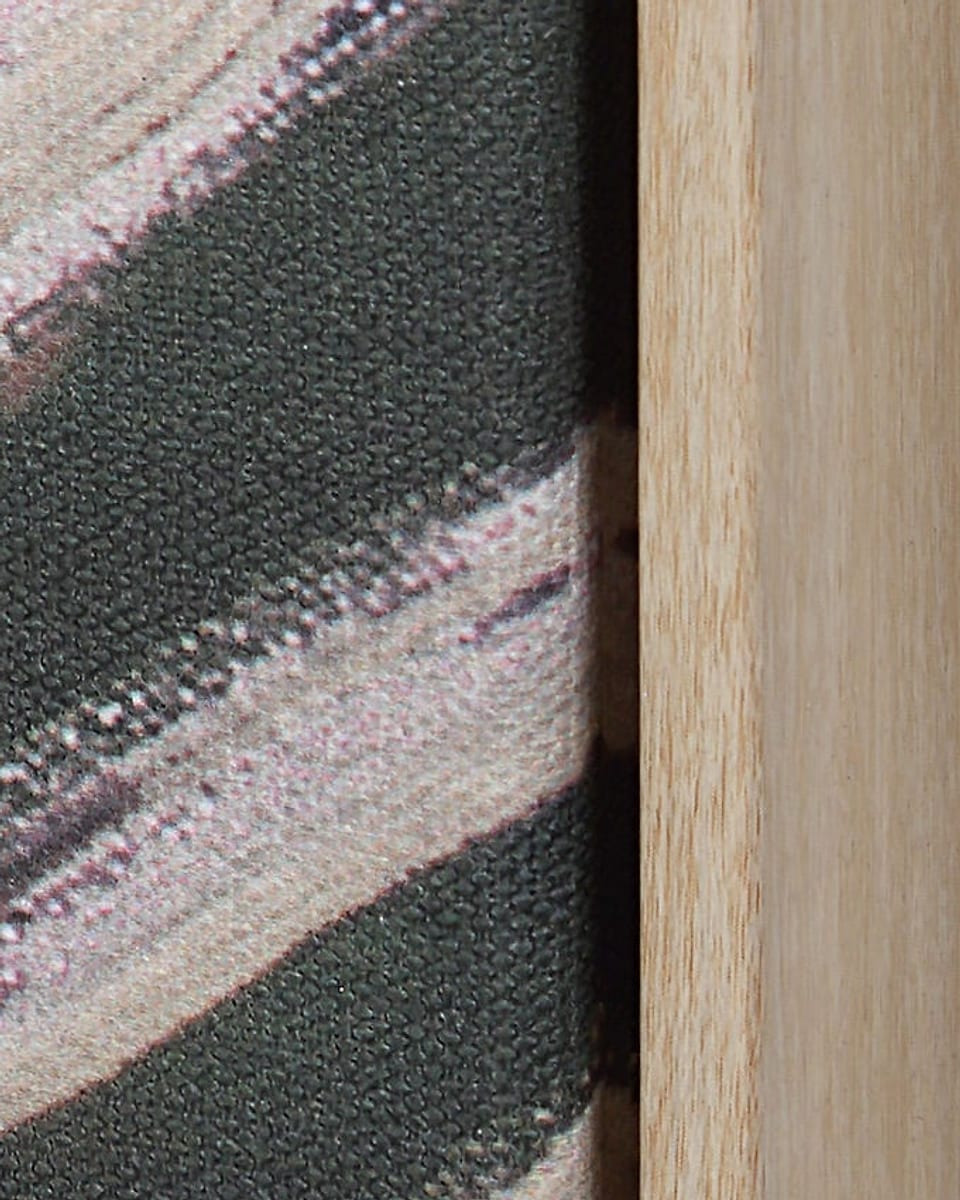
Framed canvas
The canvas is stretched and set in a floating frame. The small gap between the canvas and the frame lets the edges show, so the piece looks as if it is floating inside it. There is no glass, so the texture catches the light.
Our Burlington studio prints the image on canvas and offers it as a framed canvas on many of its pieces. Some of our Montreal studio's canvases are framed this way too.
Dust with a soft, dry brush or microfibre cloth. No water or cleaners on the canvas.
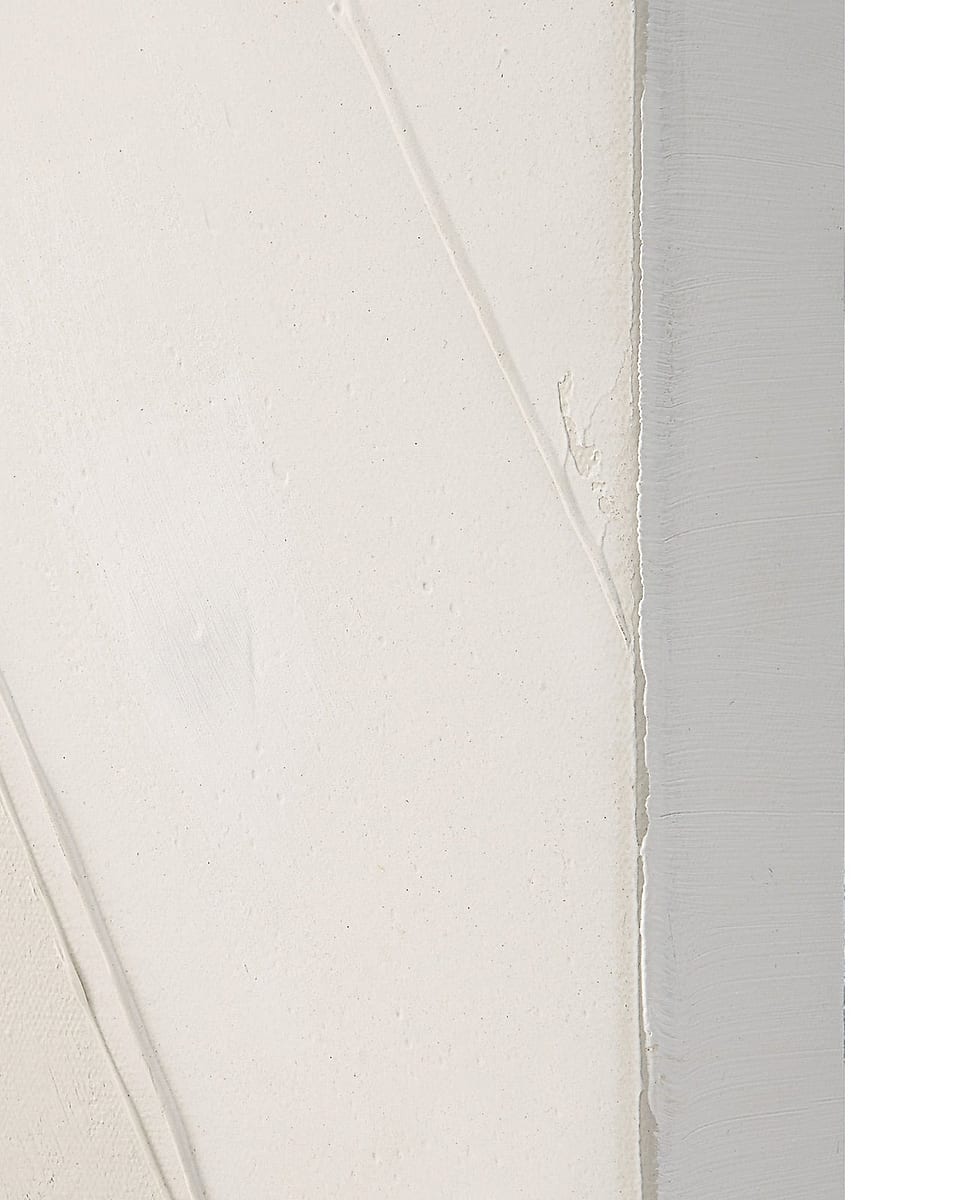
Gallery wrap canvas
The canvas is wrapped around a deep wooden stretcher, so the picture continues around the edges. It hangs without a frame, which suits modern rooms and large sizes.
Our Burlington studio offers many of its prints as a gallery wrap, and some of our Montreal studio's canvas pieces are made the same way. The Frame row on the product page says there is no frame.
Dust with a soft, dry brush or microfibre cloth. No water or cleaners on the canvas.
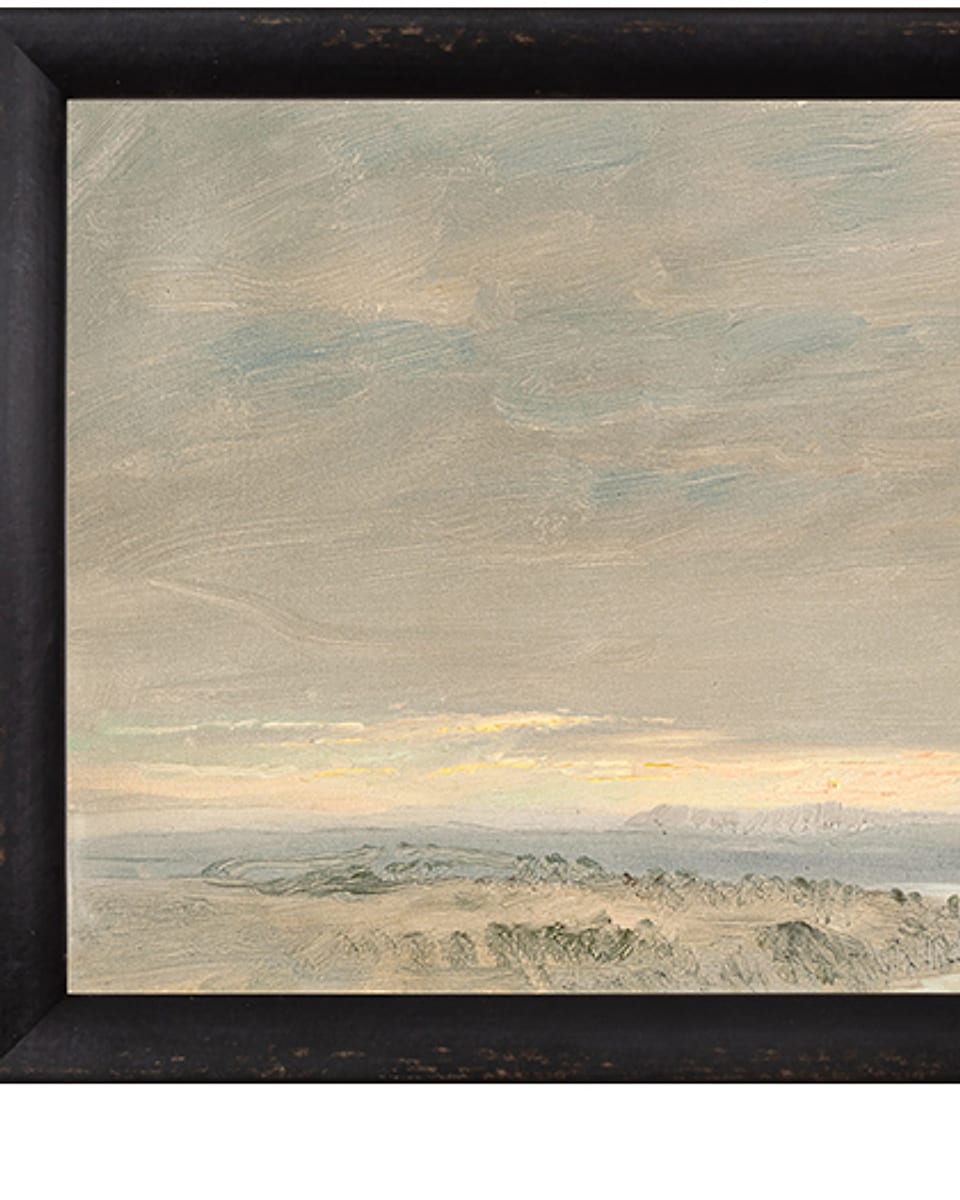
Canvas on board
The image is printed on canvas and mounted on a rigid board, which keeps the surface flat, then framed. It has the texture of canvas with the clean lines of a framed print.
Our Burlington studio offers it on pieces such as the Hudson River School series, and the Frame choice on the product page names the moulding.
Dust with a soft, dry brush or microfibre cloth. No water or cleaners on the surface.
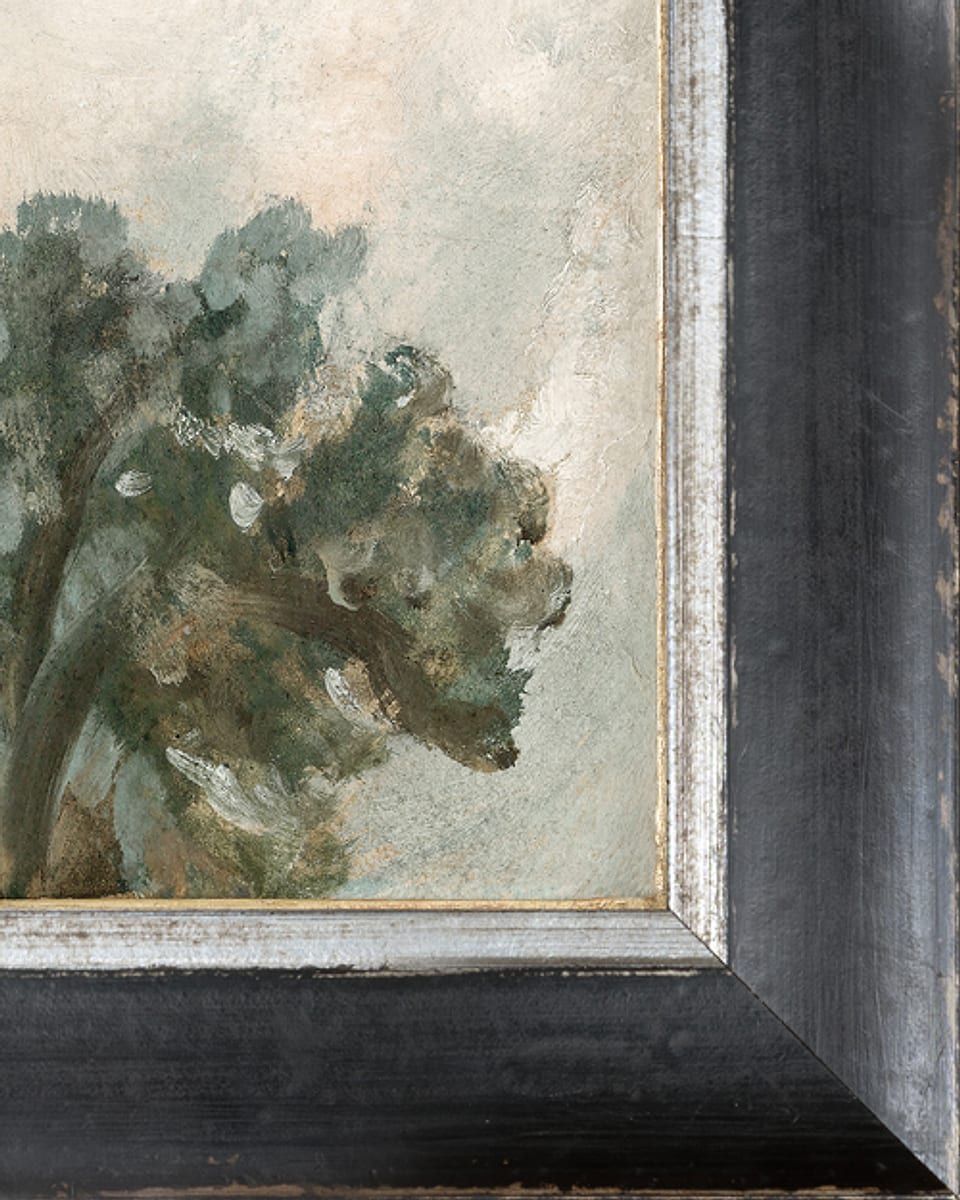
Petite canvas on board
A small canvas print mounted on a rigid board and set in a decorative frame, chosen to suit the picture: black and antique silver, ornate silver, or black with a silver edge. Each comes ready to hang in the frame shown.
Our Burlington studio offers it on its Petite Scapes, small landscape and sky studies that sit well on a shelf, a narrow wall or in a group.
Dust with a soft, dry brush or microfibre cloth. No water or cleaners on the surface.
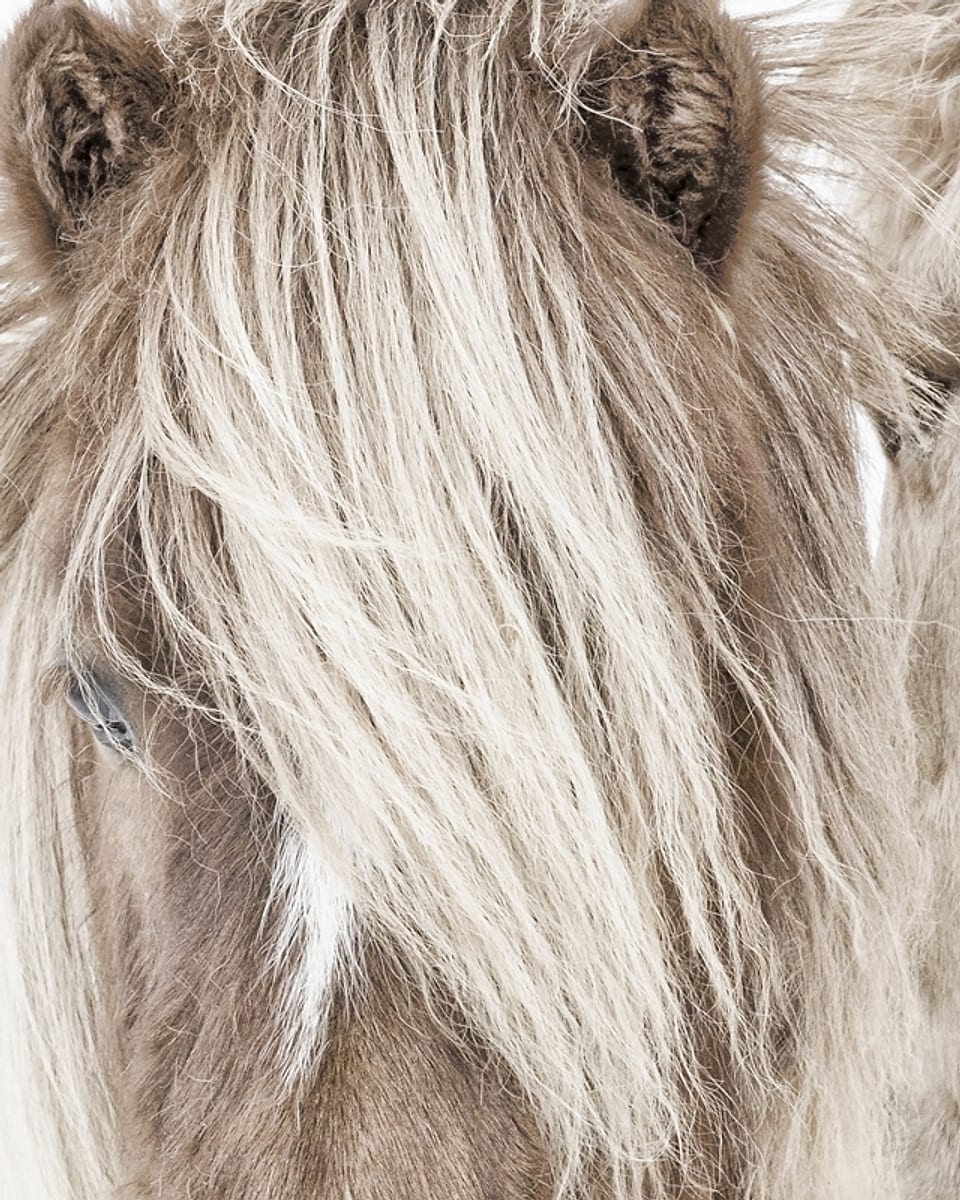
Acrylic
The print sits behind a clear acrylic face in place of glass, with no frame around it, so the picture runs to the edge. It suits large photographs and modern rooms, and acrylic weighs less than glass of the same size.
Our Burlington studio offers it as a Finish choice on some of its large photographs; when you choose it, the Frame option reads None.
Dust with a soft, dry microfibre cloth. Acrylic scratches more easily than glass, so no paper towels, ammonia or glass cleaners.
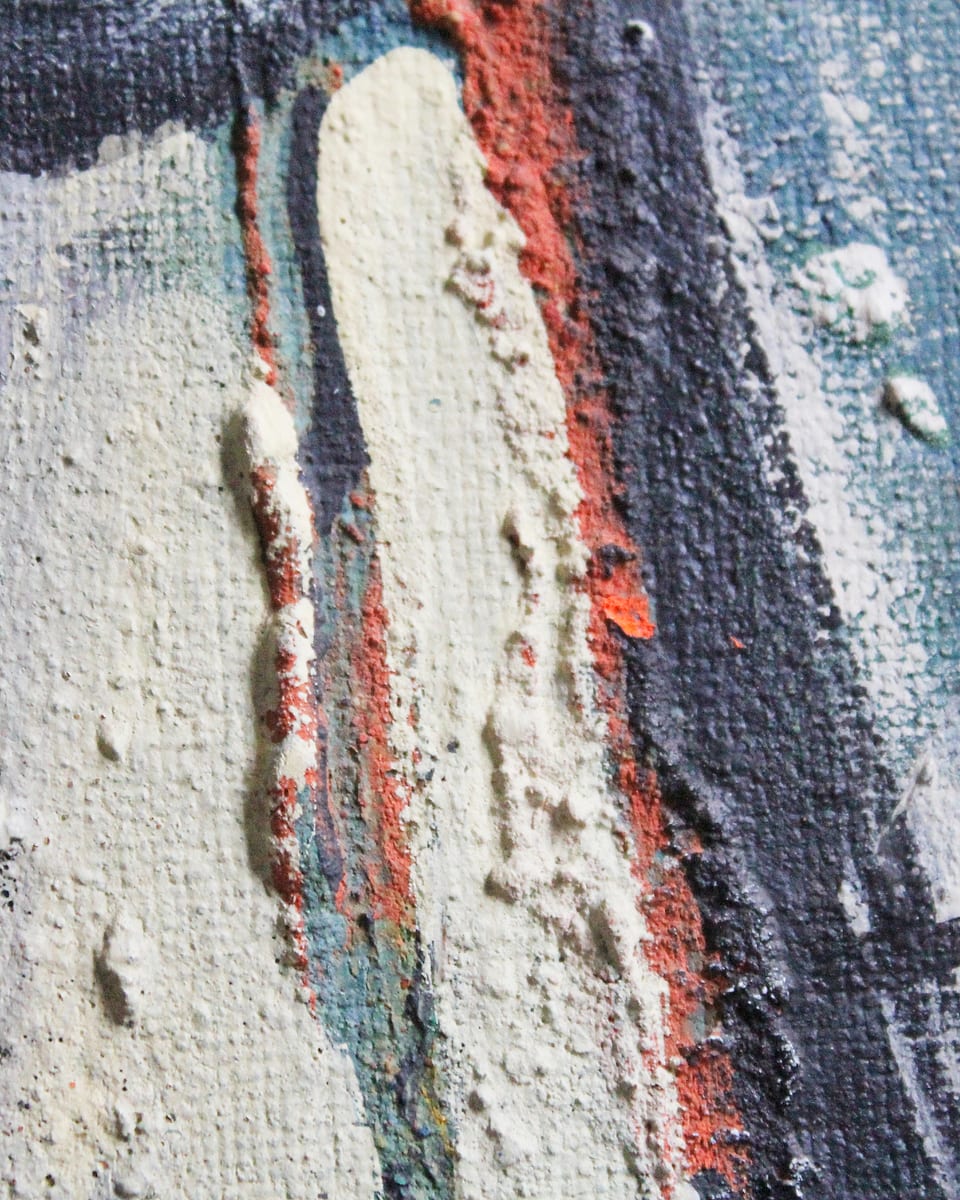
Textured and hand-finished canvas
Some canvases carry texture you can feel: gel or paint built up in ridges, with brushwork added by hand. The Finish row on the product page says how much, from soft to heavy, and the studio's description says what was used.
Many of our Montreal studio's canvases are finished this way. Because the texture is applied by hand, two pieces of the same design will differ a little.
Dust with a soft, dry brush, getting into the ridges. No water or cleaners.
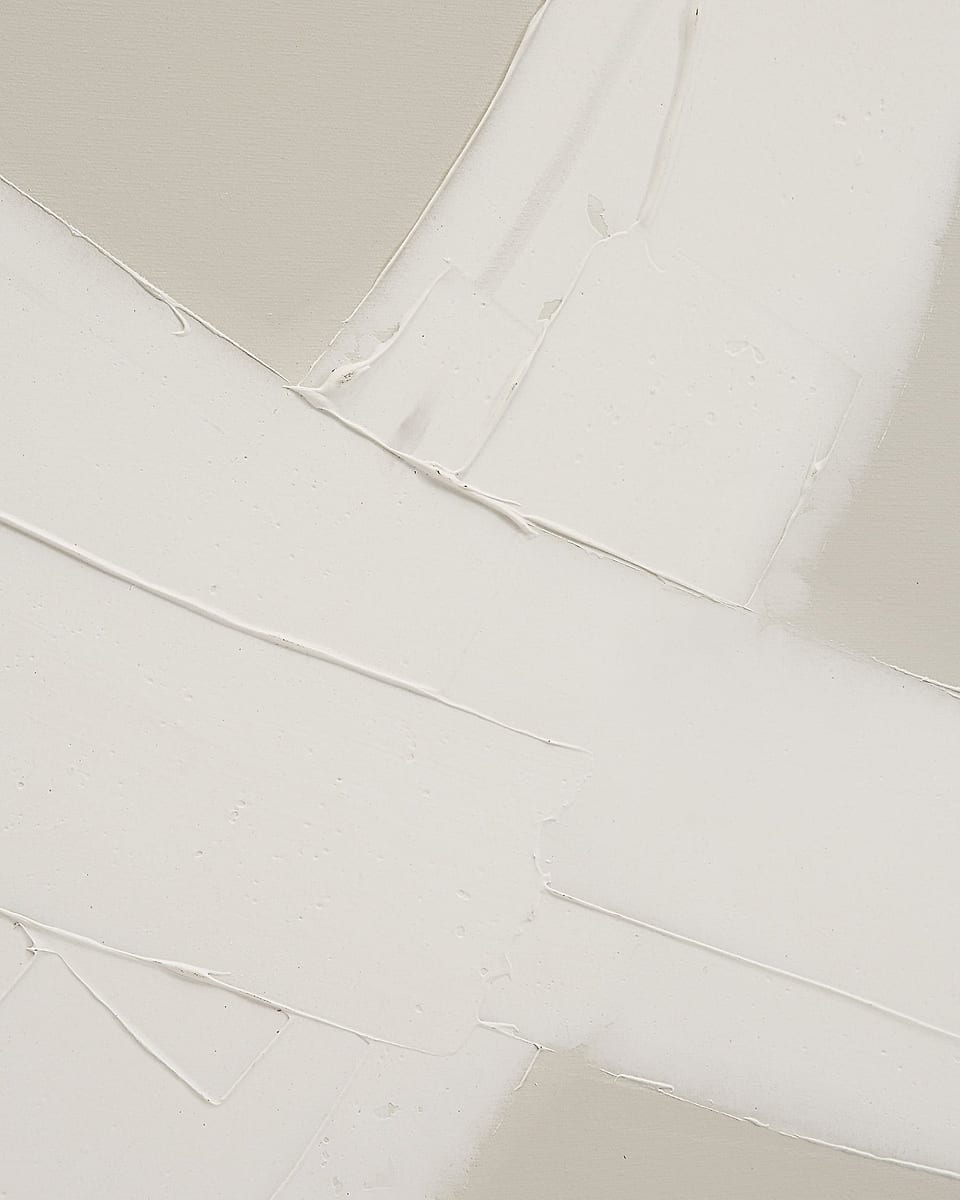
Hand-painted
Painted by hand, so the brushwork and texture vary a little from one piece to the next. The piece you receive will be very close to the photographs, not identical.
This is the largest group among our Montreal studio's pieces. The Medium and Finish rows say what the piece is painted on, and whether it has gel, gold or silver leaf, or a spot gloss.
Dust with a soft, dry brush or microfibre cloth. No water or cleaners on the surface.
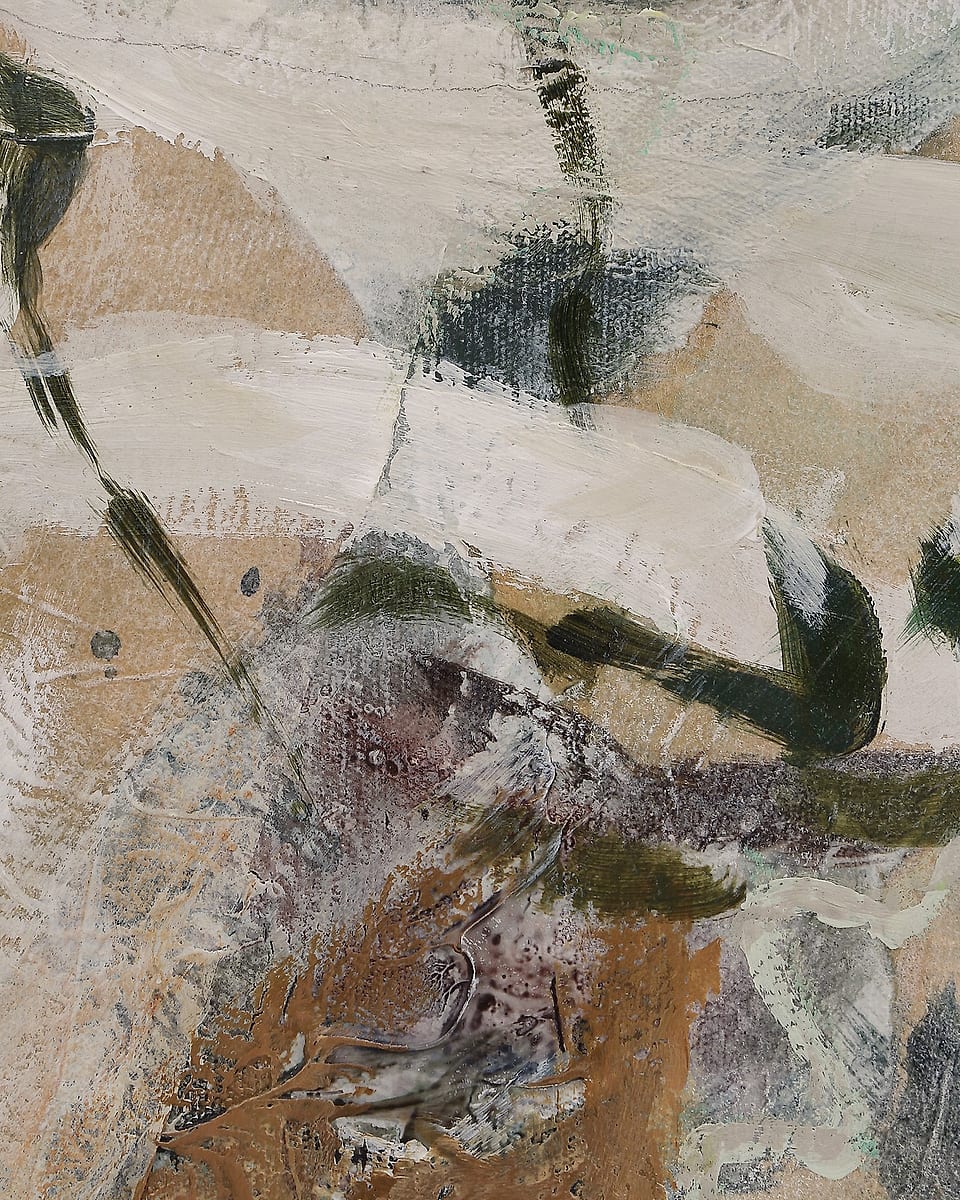
Mixed media and collage
Layers of paint, paper, fabric or leaf combined on one surface. These pieces have depth you can see from the side, and they look different as the light moves across the room.
The product page lists what is in the layers, for example paper collage, burlap or gold leaf.
Dust with a soft, dry brush, getting into the recesses. No water or cleaners.
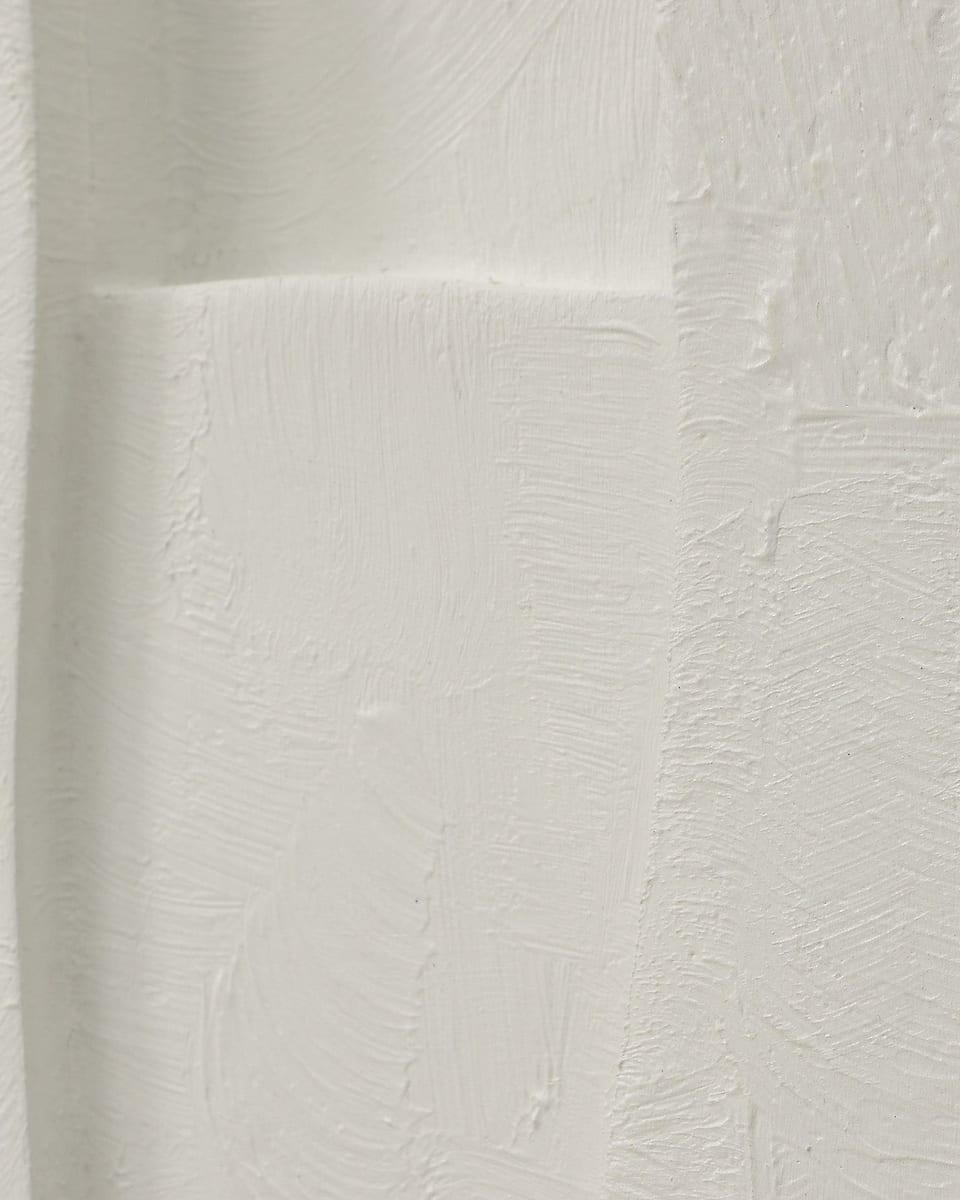
Wood and plaster relief
The surface is built up or carved in wood, plaster or a similar material, so the piece casts its own shadows. These pieces hang without glass. Side light, from a window or a wall lamp, shows the relief best.
Some are made of wood, plaster and gauze; others pair a relief surface with a canvas.
Dust with a soft, dry brush, getting into the recesses. No water or cleaners.
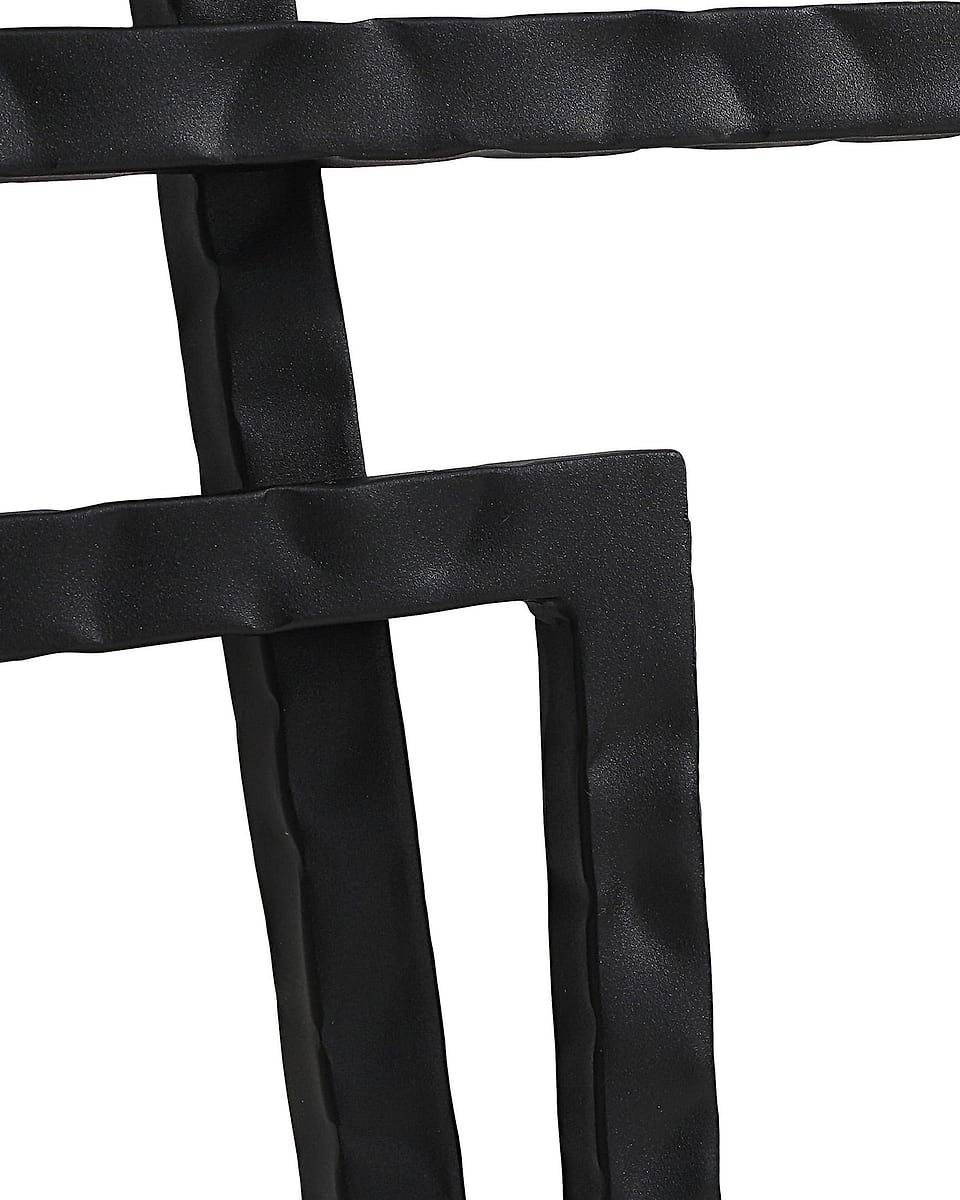
Metal
Pieces shaped and finished in iron or aluminum, hung directly on the wall without a frame. Many are powder coated. They cast shadows, so give them a little space and a light from the side.
Wipe with a soft, dry cloth. No water or cleaners on the finish, and keep them away from damp rooms, where metal can mark.
Ceramic and stone
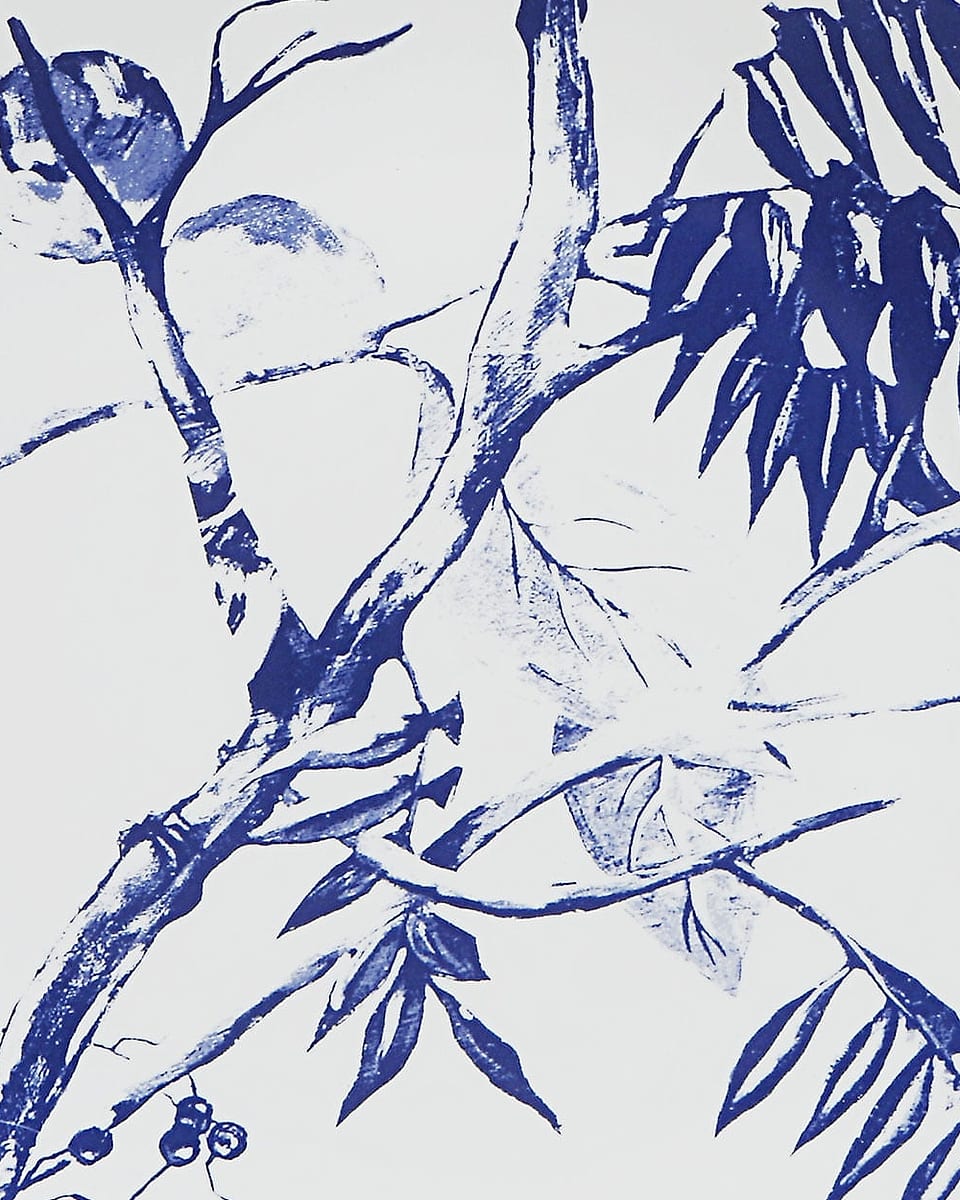
Our ceramic pieces are porcelain wall plates, sold in sets. The product page says they are decorative only and not food safe. A few other wall pieces are made of volcanic stone, where colour and markings vary from piece to piece.
Wipe with a soft, dry cloth. No water or cleaners on the surface.
Caring for your piece
- Under glass: dust the glass and frame with a dry microfibre cloth. If the glass needs more, spray a little glass cleaner on the cloth, never on the glass.
- Canvas: dust with a soft, dry brush or microfibre cloth. No water or cleaners on the surface.
- Metal, ceramic and stone: wipe with a soft, dry cloth. No water or cleaners on the finish.
- Relief and mixed media: dust with a soft, dry brush, getting into the recesses.
- Everything: keep it out of direct sun and away from bathrooms and other damp rooms.